Data Center#Colocation#Data Center#Tier III#Enterprise
What is colocation? Benefits of placing your servers in a Tier III data center
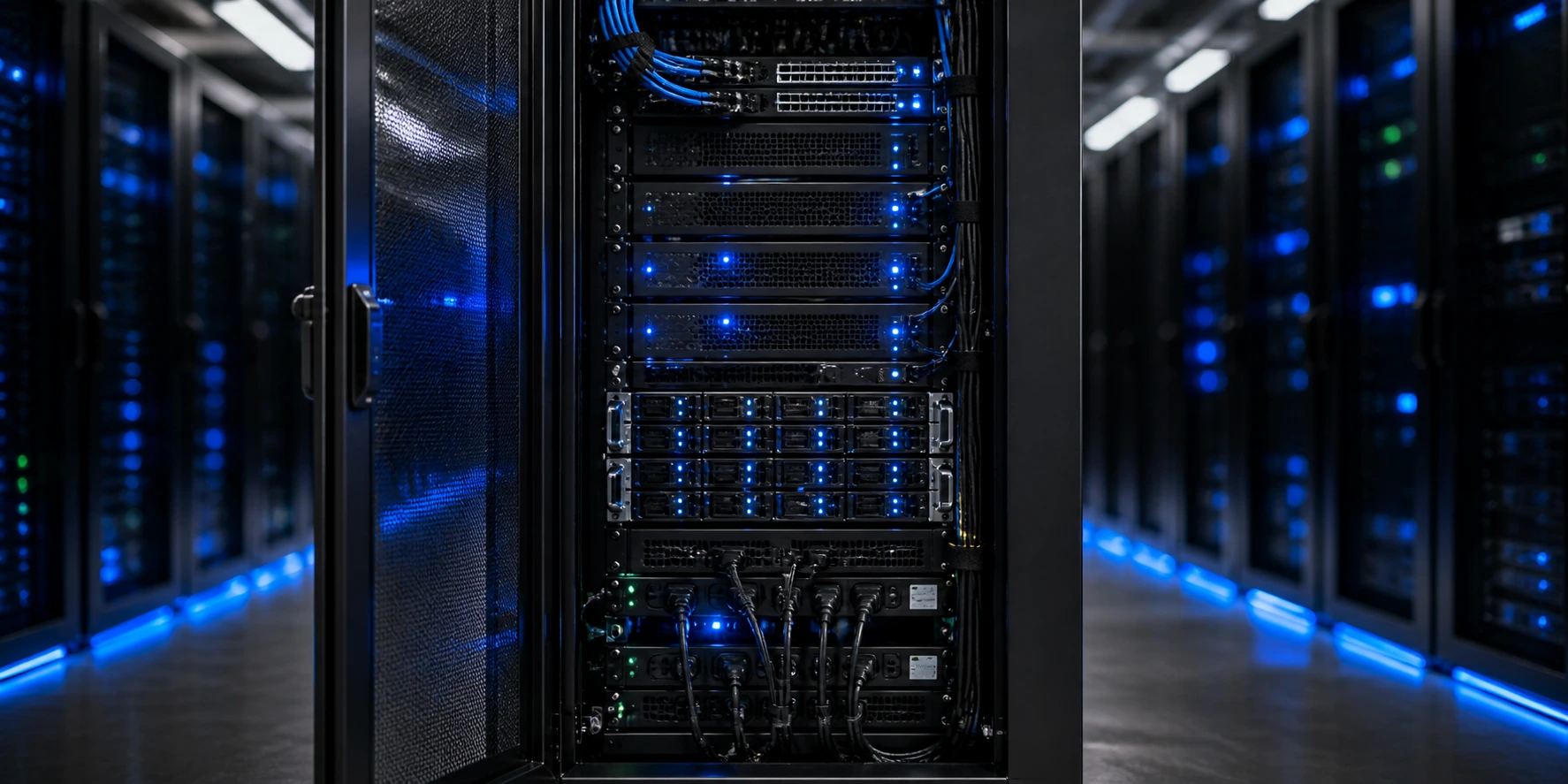
Colocation is the service of housing your own server in a professional data center with redundant power, cooling, networking and security to a Tier III standard.
Triplify CloudPublished April 28, 202610 min readUpdated May 4, 2026
What is colocation
Colocation (or 'colo') is the service of renting space in a data center to host your own servers and network gear. You own the hardware; the provider delivers the infrastructure — redundant power (UPS + generator), precision cooling, high-speed networking, multi-layer physical security and engineering staff on site.
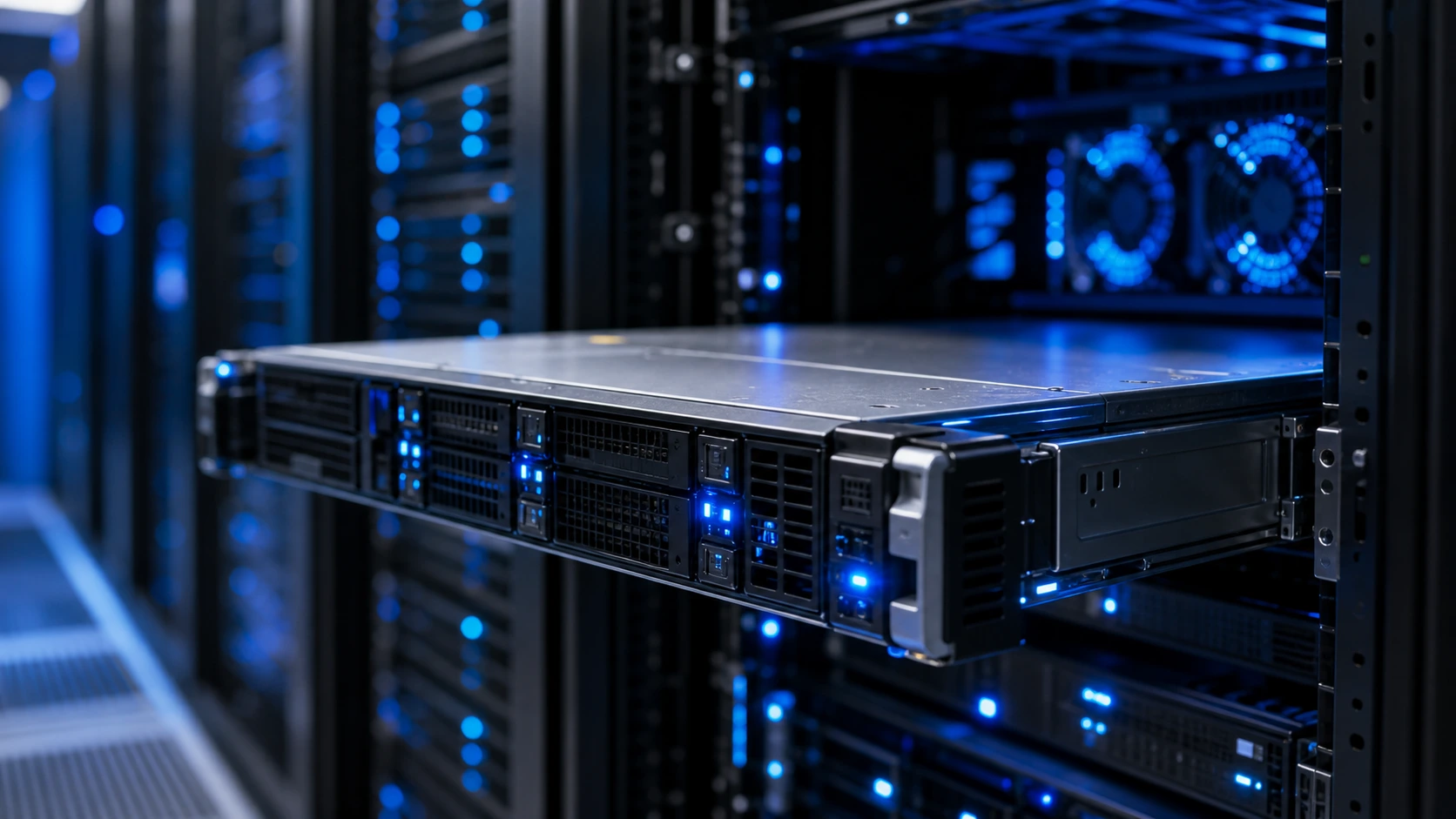
Rack space ready for colocation
How colocation works
1You already own — or purchase — your servers.
2Choose a colocation plan by size: 1U, half rack, full rack or private cage.
3Ship the server to the data center (the provider can help transport).
4Engineers rack the server, connect power and network, and bring it online.
5Access your server remotely (SSH, IPMI) or visit the data center in person.
6The provider monitors power, network and temperature 24/7 and alerts on issues.
Colocation vs on-premise vs dedicated server
Attribute
On-premise
Colocation
Dedicated
Hardware owner
You
You
Provider
Location
Your office
Data Center
Data Center
Power & cooling
Self
Included
Included
Uptime
Low–medium
High (99.99%)
High (99.9%)
Internet bandwidth
Limited
10+ Gbps
10+ Gbps
Upfront cost
Very high
Medium
Low
Hardware scaling
Very slow
Medium
Hardware swap
Three hosting models compared
Benefits of colocation
High uptime — Tier III guarantees 99.982% (≤1.6 hours of downtime/year).
High-speed bandwidth — 10–100 Gbps with direct Tier-1 global peering.
Lower long-term cost — no investment in UPS, generators or cooling.
Enterprise-grade security — biometric access, 24/7 CCTV, guards, fire suppression.
Disaster recovery — built to withstand earthquakes, floods and fires.
Full hardware control — choose any server you like.
24/7 remote hands — on-site engineers help when you can't visit.
What are data center tiers
The Uptime Institute defines four tiers based on power, cooling and network redundancy:
Tier
Uptime
Downtime/year
Redundancy
Tier I
99.671%
28.8 h
None
Tier II
99.741%
22 h
Partial (N+1)
Tier III
99.982%
1.6 h
Concurrently maintainable
Tier IV
99.995%
26 min
Fault tolerant (2N+1)
How to choose a colocation provider
Tier of the data center — at minimum Tier III + ISO 27001.
Location — close to the city, away from flood-prone zones.
Bandwidth and peering — Tier-1 carriers and local IX presence.
Thailand is becoming ASEAN's next data center hub — the key investment figures, why hyperscalers are choosing Thailand, upcoming regulations, and what businesses should do now.